
Yawar Hayat (1943-2016)
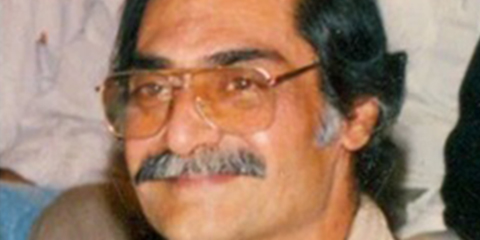
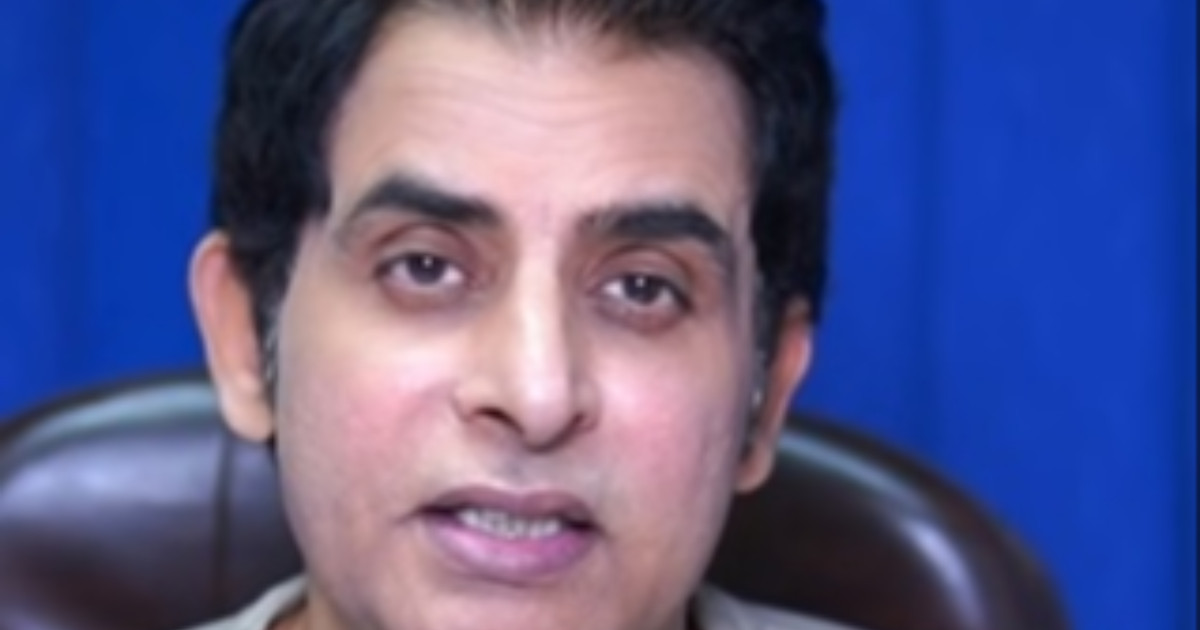
Born on October 18, 1943, Yawar Hayat is celebrated as one of the chief architects of Pakistan Television (PTV). The son of Brigadier Azmat Hayat Khan, he was the grandson of Sir Sikandar Hayat Khan and nephew of renowned film director Anwar Kamal Pasha. A graduate of Aitchison College, Yawar Hayat began his career with PTV in 1965 as a producer-director. His play "Jhok Siyaal" became a nationwide hit, setting the stage for his illustrious career.
Throughout the 1980s and 1990s, he produced many acclaimed PTV plays, including "Samundar," "Nasheman," "Dehleez," "Sahil," and "Gumshuda." His other notable works included "Farar," "Goonj," "Qila Kahani," "Lamp Post," "Jheel," "Jazeera," "Parwaz," "Zanjeer," and "Hisaab." Writer Mustansar Hussain Tarar remarked, "With the departure of Yawar Hayat, a creative era of production and direction has come to an end. He was an excellent conversationalist and had a profound influence on anyone who met him."
In 1998, Yawar Hayat received the award for Best PTV Producer. After a long and distinguished career, he retired from PTV in 2004. Yawar Hayat passed away in November 2016, leaving a legacy of excellence in television production and direction.
Yusuf Lodhi (Vai Ell) (1938-1996)
Yusuf Lodhi, an accidental but acerbic cartoonist, who introduced a new form of political caricature in Pakistan, joined the world of journalism in 1969 as assistant editor of Peshawar Times.
Zafaryab Ahmad (1953-2006)
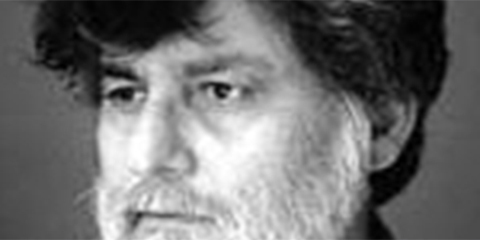
Zafaryab Ahmad (1953-2006) was a journalist who made a name for himself as a trade unionist and a political activist. He worked in the dailies Dawn and the Frontier Post and the weekly Viewpoint.
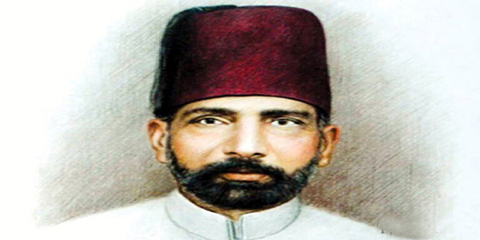
Maulana Zafar Ali Khan (1873-1956)
Writer, journalist and politician, Maulana Zafar Ali Khan belonged to a learned family of Karamabad district, Gujranwala, Punjab. He received his early education in Wazirabad and Patiala.
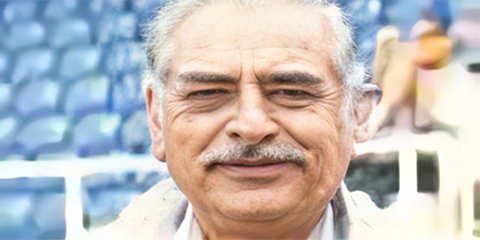
Farooq Mazhar
Farooq Mazhar was Pakistan's most prominent sports journalist, television commentator and former Editor of The News. He died on April 28, 2001 in Bahrain enroute to America after a short illness.

Altaf Husain (1900-1968)
One of the pioneers of journalism in Pakistan, Altaf first came to notice with his forceful advocacy of Indian Muslims' case in colonial India through articles in the press (as a government servant he
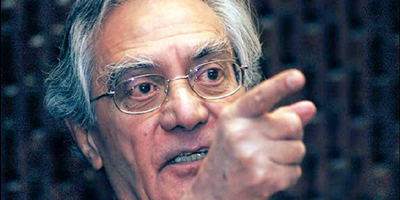
Aslam Azhar (1932-2015)
Born on 2 September 1932, Aslam Azhar is remembered as the founding father of Pakistan Television. After earning a law degree from Cambridge University, he chose not to pursue a legal career but instead immersed himself in the world of performing arts.
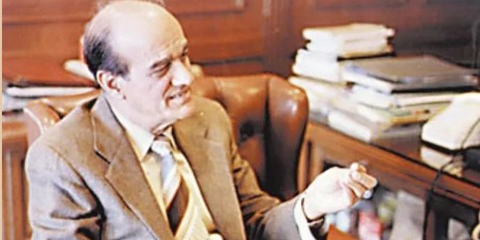
Mir Khalil-ur-Rahman (1927-1992)
Mir Khalil-ur-Rahman was the Founder and Editor of the Jang Group of Newspapers.. A self-made newspaper magnate he ranks among the most successful newspaper entrepreneurs in Asia.
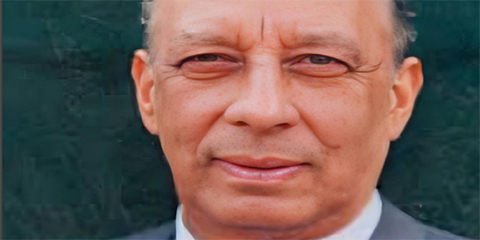
Zakir Hussain Syed (1939-2013)
Zakir Hussain Syed, affectionately called Zak, was an internationally renowned sports administrator, broadcaster and journalist. Born in the town of Sialkot on November 1, 1939, Zakir had his initial schooling at Rawalpindi's Denny's High School.
Newsroom
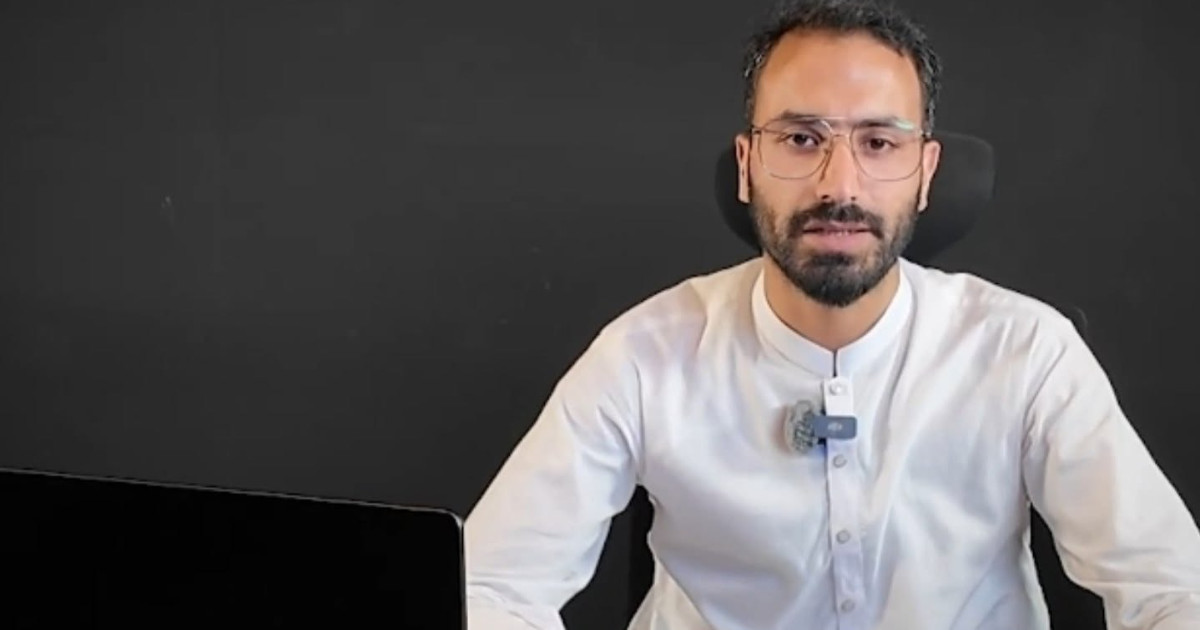
Missing GNN journalist found in Swabi after four days
June 09, 2026 GNN journalist Yasir Ayaz Khan, missing from Islamabad since June 5, was found in Swabi after four days and handed over to police while inquiries continue.
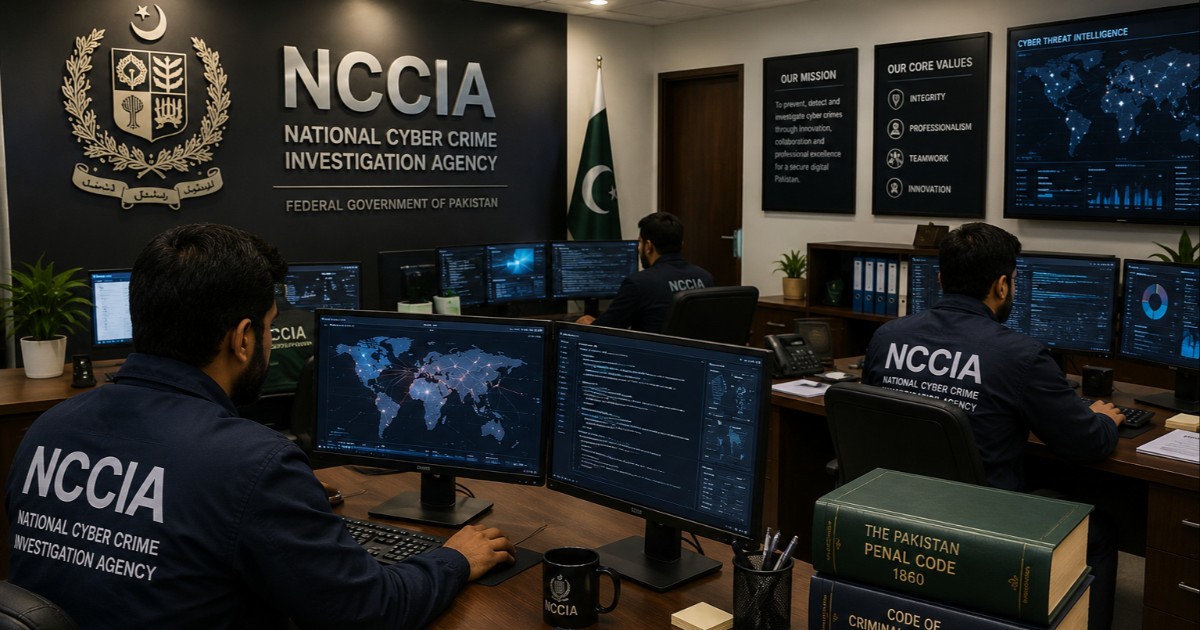
What is the NCCIA and what powers does it have?
June 09, 2026 NCCIA is Pakistan's federal cybercrime agency enforcing PECA to investigate online offenses widely affecting journalists, creators and other digital users.

Journalist Razi Tahir gets bail in PECA case
June 09, 2026 A court granted journalist Razi Tahir eight days' bail after the NCCIA registered a PECA 2016 case alleging he posted false information on X.

Football fever grips the globe as FIFA World Cup takes center stage
June 09, 2026 The 2026 FIFA World Cup expands to 48 teams across the United States, Canada and Mexico, featuring 104 matches and a new Round of 32 to widen global participation.
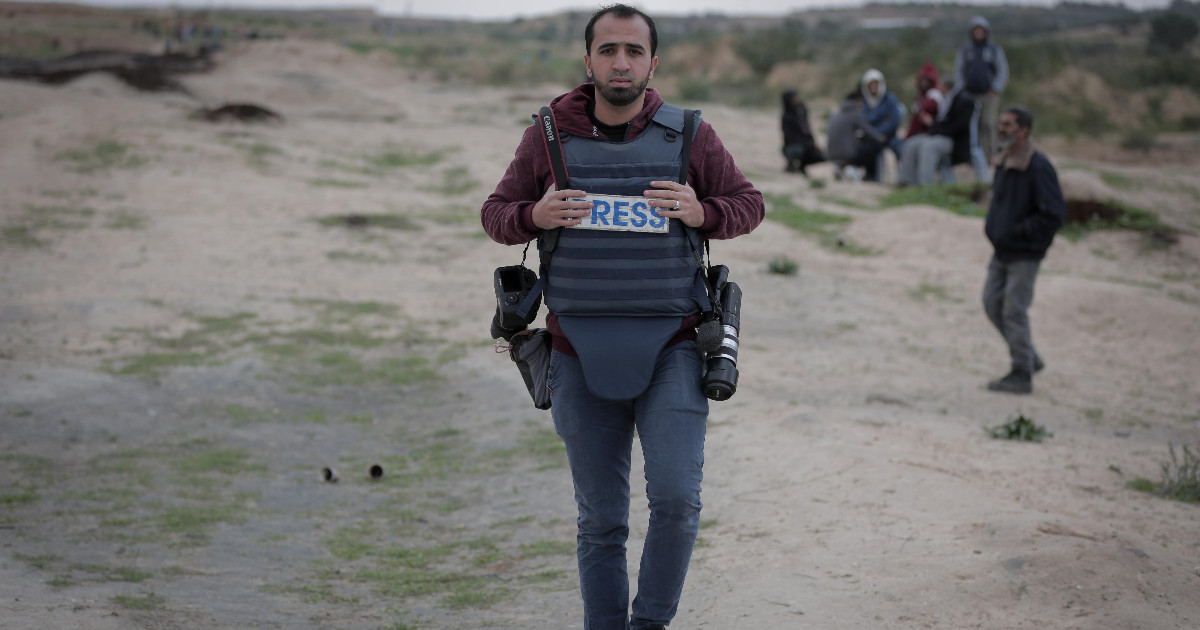
Israel tightens wartime media restrictions on strike coverage
June 09, 2026 Israeli military has renewed restrictions on media reporting of missile strikes and sensitive sites, barring images or geolocation that could expose impact locations.
Popular Stories

Why publishers want AI companies to pay
Jun 06, 2026
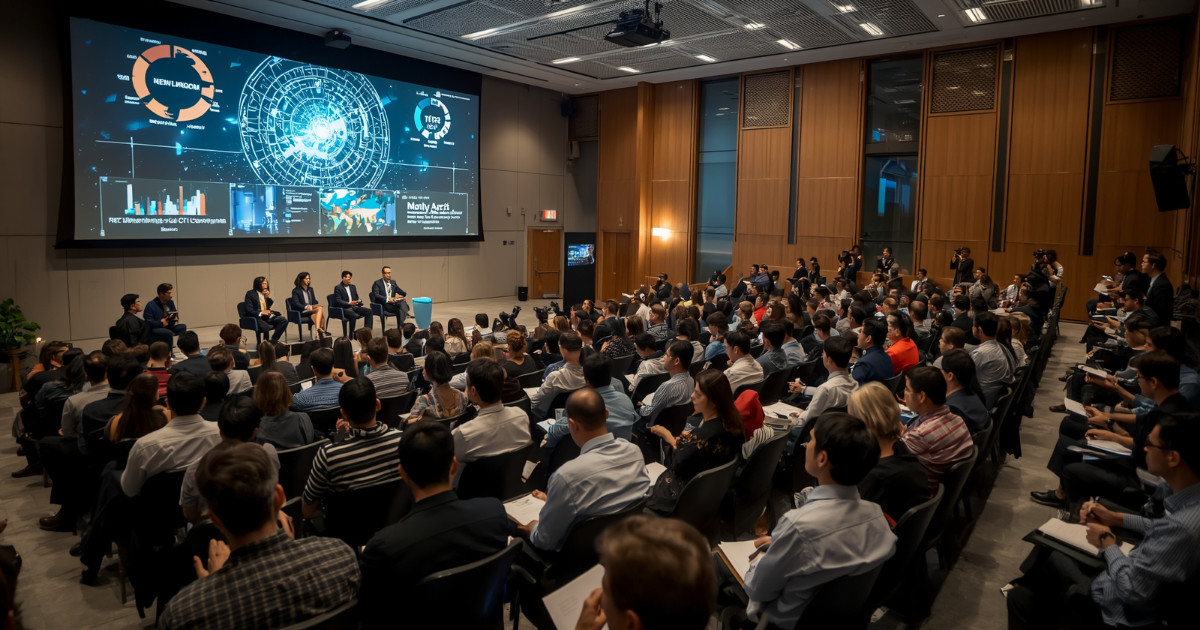
AI reshapes journalism focus at N3Con 2026
May 24, 2026