
Israel cabinet approves plan to shut down Army Radio CBS delays 60 Minutes segment on deportation report Dhaka journalists protest attacks on Prothom Alo, Daily Star RSF flags OpIndia-linked online harassment of journalists Unrest exposes growing risks for Bangladesh’s independent press Hong Kong court hears wrongful dismissal case by ex WSJ reporter India rejects Bangladeshi media reports amid tensions Fully funded WPI fellowship accepting 2026 applications Reuters chief Galloni reflects on journalism challenges 2025 Algeria under scrutiny over imprisonment of French sports reporter Israel cabinet approves plan to shut down Army Radio CBS delays 60 Minutes segment on deportation report Dhaka journalists protest attacks on Prothom Alo, Daily Star RSF flags OpIndia-linked online harassment of journalists Unrest exposes growing risks for Bangladesh’s independent press Hong Kong court hears wrongful dismissal case by ex WSJ reporter India rejects Bangladeshi media reports amid tensions Fully funded WPI fellowship accepting 2026 applications Reuters chief Galloni reflects on journalism challenges 2025 Algeria under scrutiny over imprisonment of French sports reporter
Logo
Janu
JSchool

Pakistan retains unwanted position

 JournalismPakistan.com |  Published 12 years ago

Join our WhatsApp channel

Pakistan retains unwanted position

The annual toll of journalists killed in connection with their work was again very high in 2013, although this year’s number, 71, was a slight fall (-20%) on last year’s, says Reporters without Borders.


Syria, Somalia and Pakistan retained their position among the world’s five deadliest countries for the media.


They were joined this year by India and the Philippines, which replaced Mexico and Brazil, although the number of journalists killed in Brazil, five, was the same as last year.


Two journalists were killed in Mexico, while three others disappeared. The return of the Institutional Revolutionary Party (PRI) to power and new government pressure on the media contributed to a sharp increase in self-censorship in Mexico. An increase in self-censorship was probably also the reason for the fall in the number of journalists killed in other countries.


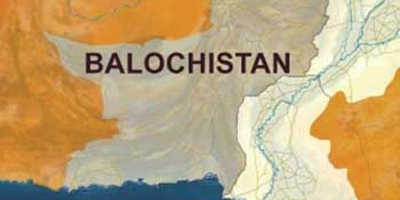
Thirty-nine percent of the deaths occurred in conflicts zones, defined as Syria, Somalia, Mali, the Indian province of Chhattisgarh, the Pakistani province of Balochistan and the Russian republic of Dagestan. The other journalists were killed in bombings, by armed groups linked to organized crime (including drug trafficking), by Islamist militias, by police or other security forces, or on the orders of corrupt officials.


Of the 71 journalists killed in 2013, 37% worked for the print media, 30% for radio stations, 30% for TV and 3% for news websites. The overwhelming majority of the victims (96%) were men.


Read more


Don't Miss These

Newsroom
Israel cabinet approves plan to shut down Army Radio

Israel cabinet approves plan to shut down Army Radio

 December 22, 2025 Israel’s cabinet approved a plan to shut down Army Radio by March 1, 2026, sparking criticism from press freedom advocates who warn of risks to democratic norms


CBS delays 60 Minutes segment on deportation report

CBS delays 60 Minutes segment on deportation report

 December 22, 2025 CBS News has postponed a 60 Minutes segment on Venezuelan migrant deportations to El Salvador’s CECOT prison, igniting internal disputes over editorial independence and political influence.


Dhaka journalists protest attacks on Prothom Alo, Daily Star

Dhaka journalists protest attacks on Prothom Alo, Daily Star

 December 22, 2025 Journalists in Dhaka protested after arson and vandalism at Prothom Alo and The Daily Star offices, warning that impunity for attacks on the media threatens press freedom.


RSF flags OpIndia-linked online harassment of journalists

RSF flags OpIndia-linked online harassment of journalists

 December 22, 2025 Reporters Without Borders warns of online harassment campaigns targeting journalists, accusing OpIndia of fueling coordinated attacks that threaten press freedom and reporter safety.


Unrest exposes growing risks for Bangladesh’s independent press

Unrest exposes growing risks for Bangladesh’s independent press

 December 22, 2025 Leading Bangladeshi newspapers face backlash during unrest, highlighting risks to press freedom, journalist safety, and independent reporting amid rising political polarization.


Popular Stories